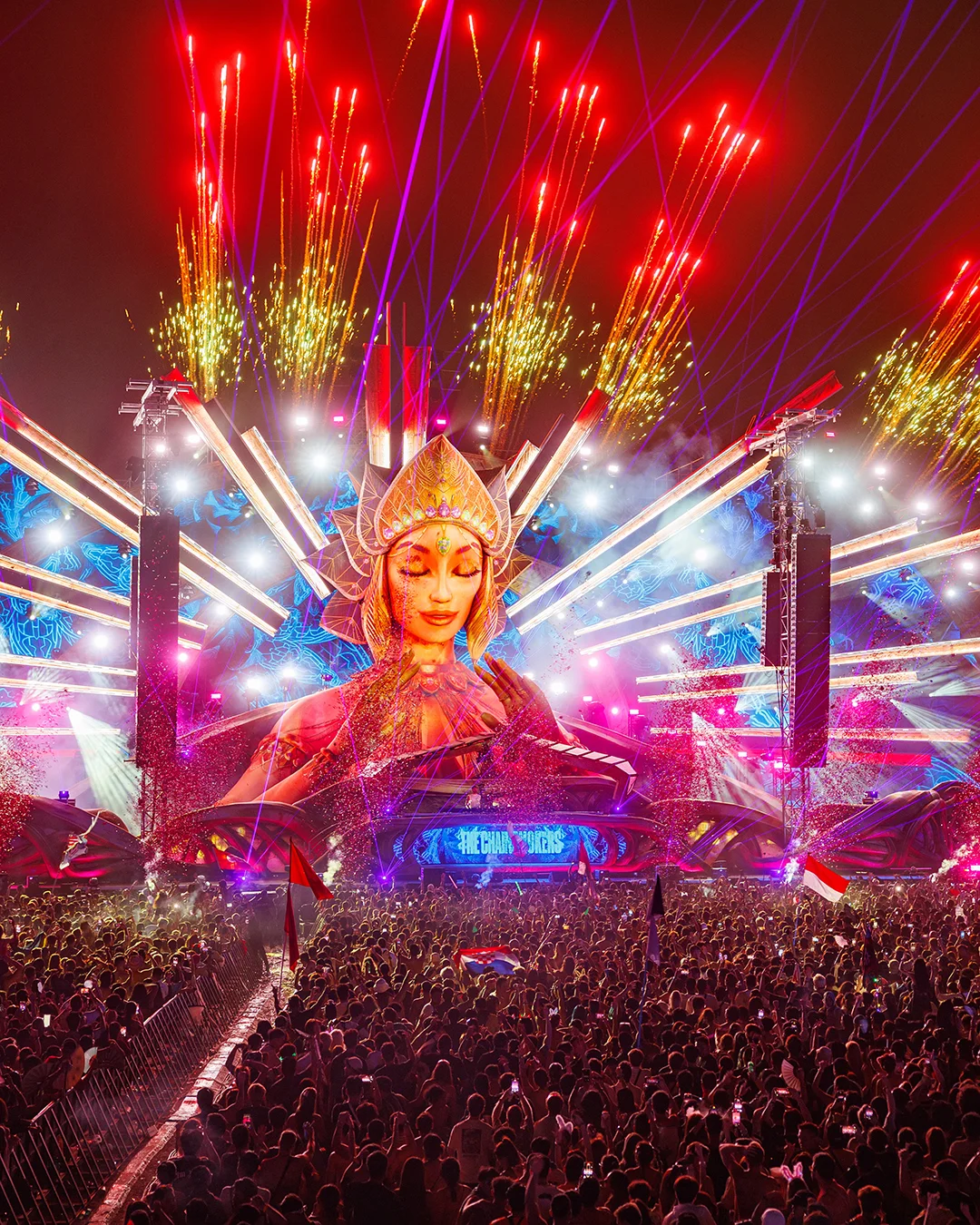
Asia
Festival Report 2026
Asia's festival landscape enters 2026 with remarkable diversity across 63 events spanning 11 countries, from the classical traditions of India's Saptak Annual Festival of Music to the electronic spectacle of Japan's GMO Sonic at Makuhari Messe. Turkey emerges as the region's festival powerhouse with 18 events, whilst India follows closely with 16 festivals that blend centuries-old musical heritage with contemporary sounds.
Sarah Pagel · 3 April 2026
The data reveals a fascinating shift in seasonal patterns, with January claiming the crown as peak festival month hosting 11 events—including major draws like Lollapalooza India at Mahalaxmi Race Course and EDC Thailand at Rhythm Park. Techno's dominance across 21 festivals signals Asia's embrace of electronic culture, though traditional genres maintain strong representation with classical music featured in 16 festivals. With an average duration of 8.8 days and only 14% offering camping options, Asian festivals favour urban, accessible formats that reflect the region's metropolitan festival-going culture.
By the Numbers
Here's how Asia's 2026 festival season breaks down across 11 countries – every figure drawn from our live database.
Market Maturity Drives Quality Over Quantity
Asia's festival circuit has evolved into a sophisticated ecosystem where established markets dominate the calendar. The 63 festivals tracked represent a curated selection of premium events, with Turkey's 18 festivals and India's 16 establishing these nations as the region's cultural epicentres. Japan contributes 11 festivals that showcase the country's meticulous attention to production quality, from GMO Sonic's two-day electronic marathon accommodating 25,000 attendees to intimate classical performances.
The extended average duration of 8.8 days reflects Asia's unique festival philosophy, where events like Hyderabad Tyagaraja Aradhana Music Festival stretch across an entire year, creating ongoing cultural institutions rather than fleeting weekend experiences. Thailand's 6 festivals and Indonesia's 4 events demonstrate how emerging markets focus on signature flagship events—Thailand International Jazz Conference at Mahidol University exemplifies this approach with its focused three-day programme attracting 3,500 jazz enthusiasts.
Singapore and South Korea each contribute 2 festivals, prioritising quality over quantity in markets where venue costs and regulations favour fewer, larger-scale productions. The absence of free festivals across the entire region underscores Asia's commercial festival model, where ticketing strategies reflect higher production values and international artist fees. This premium positioning has created sustainable festival economies that attract global touring acts whilst supporting local cultural development.
January Surge Reshapes Festival Calendar
The traditional festival calendar receives a dramatic reshuffling in 2026, with January emerging as Asia's busiest month hosting 11 festivals—a strategic shift that capitalises on post-holiday travel budgets and favourable weather across key markets. This concentration includes heavyweight events like Lollapalooza India on 24th January and EDC Thailand launching on 16th January, creating a new year festival blitz that challenges Europe's summer dominance.
April follows as the second peak with 9 festivals, taking advantage of spring weather before monsoon seasons impact outdoor events across Southeast Asia. August rounds out the top three with 8 festivals, traditionally capturing end-of-summer momentum and aligning with academic calendars. The data shows clear seasonal intelligence, with promoters avoiding the challenging May-July period when only 15 festivals brave the heat and rainfall across the region.
This front-loaded calendar creates intense booking competition for January travel, requiring festival-goers to secure accommodation and flights by October for optimal pricing. The shoulder months of February, March, and May each host 5 festivals, offering value opportunities like Deep Jungle Music & Cultural Festival in February, where camping options provide budget-friendly alternatives. December's minimal 2-festival count reflects year-end travel fatigue, though these events often deliver premium experiences for dedicated festival tourists seeking unique end-of-year celebrations.
Turkey and India Drive Regional Festival Economy
Turkey's commanding lead with 18 festivals establishes the country as Asia's festival capital, leveraging its unique geographic position bridging Europe and Asia to attract diverse programming and international audiences. The Turkish festival circuit benefits from established infrastructure, favourable exchange rates for international visitors, and government support for cultural tourism initiatives that have created a robust year-round festival economy.
India's 16 festivals showcase the subcontinent's remarkable cultural breadth, from traditional classical events like the Dover Lane Music Conference accommodating 2,000 attendees across four days to contemporary spectacles like Lollapalooza India drawing 35,000 to Mumbai's Mahalaxmi Race Course. The Indian festival landscape demonstrates successful fusion of heritage programming with international franchise events, creating multiple entry points for domestic and international audiences.
Japan's 11 festivals reflect the country's premium market positioning, where events like GMO Sonic command 25,000-capacity venues whilst maintaining meticulous production standards. Thailand's 6 festivals, including the established EDC Thailand hosting 20,000 electronic music fans, capitalise on the country's tourism infrastructure and visa-friendly policies for international festival-goers.
Indonesia's 4 festivals, exemplified by events like Hellprint – United Day 9 in Taman Cibeunying, tap into the archipelago's young demographic and growing middle class. Singapore's 2 festivals focus on high-value niche programming, whilst South Korea's equivalent count reflects the competitive entertainment landscape where K-pop dominates cultural exports.
Electronic Music Leads Asia's Genre Revolution
Techno's dominance across 21 festivals signals Asia's wholehearted embrace of electronic culture, with events ranging from intimate underground gatherings to massive productions like GMO Sonic featuring EDM, techno, and trance for 25,000 attendees. This electronic surge reflects the region's young demographic and urbanisation trends, where digital-native audiences gravitate towards genres that mirror their technological lifestyle.
Pop music's strong showing with 20 festivals demonstrates the commercial viability of accessible programming, particularly evident in events like Vasantotsav combining pop, folk, and rock for 14,500 attendees at Suryakant Kakade Farms. Rock maintains significant presence across 17 festivals, whilst hip hop's equal 17-festival count reflects the genre's growing cultural influence throughout Asia's metropolitan centres.
Classical music's impressive 16-festival representation preserves Asia's cultural heritage, with events like Thyagaraja Aradhana at Thyagaraja Temple offering camping experiences for 5,000 devotees. Deep house claims 16 festivals, while broader house music appears in 13 events, illustrating the sophisticated electronic music palate that has developed across the region.
Indie rock's presence in 15 festivals suggests a thriving alternative scene that balances mainstream appeal with artistic credibility. The genre diversity creates multiple festival pathways for different audience segments, from the jazz fusion of Thailand International Jazz Conference to the reggae, techno, and psytrance blend at Deep Jungle Music & Cultural Festival, which accommodates 30,000 camping enthusiasts across three days.
Six Unmissable Festivals Define Asia's 2026 Season
Lollapalooza India stands as the region's flagship international franchise, bringing its renowned multi-genre programming to Mumbai's Mahalaxmi Race Course on 24th January for 35,000 attendees across two days. The festival's EDM, pop, and R&B lineup represents the gold standard for international festival expansion into Asian markets.
GMO Sonic at Tokyo's Makuhari Messe delivers Japan's premier electronic experience on 17th January, hosting 25,000 fans across two days of curated EDM, techno, and trance programming. The venue's technical capabilities and Japanese production standards create an unmatched electronic music environment.
EDC Thailand returns to Rhythm Park on 16th January, welcoming 20,000 electronic music devotees for three days of EDM, house, and techno. The festival's established reputation and Thailand's tourism infrastructure make it a must-visit for international electronic music tourists.
Vedanta Udaipur World Music Festival transforms Manji Ka Ghat into a 52,500-capacity cultural celebration on 6th February, offering three days of pop, folk, and rock against Rajasthan's stunning backdrop. Deep Jungle Music & Cultural Festival provides the ultimate camping experience from 13th February, combining reggae, techno, and psytrance for 30,000 attendees across three immersive days.
Mahindra Blues Festival at Mumbai's Mehboob Studios on 14th February delivers an intimate 3,000-capacity celebration of funk, rock, and soul, proving that smaller festivals can create equally compelling experiences through focused curation and premium venues.
Strategic Planning Essential for Asia Festival Circuit
Asia's festival circuit demands sophisticated travel planning, with major international airports in Istanbul, Delhi, Mumbai, Tokyo, Bangkok, and Singapore serving as primary gateways. Turkish Lira (TRY), Indian Rupee (INR), Japanese Yen (JPY), Thai Baht (THB), and Indonesian Rupiah (IDR) dominate festival transactions, requiring currency planning for multi-country festival tours.
January's festival concentration creates intense accommodation pressure, particularly around major events like Lollapalooza India and EDC Thailand. Booking festival packages and accommodation by November ensures availability and reasonable pricing, whilst last-minute bookings often face 200-300% premium rates during peak festival weekends.
Visa requirements vary significantly across the region, with Thailand and Indonesia offering visa-on-arrival for many nationalities, whilst India and Turkey require advance visa planning. Japan's streamlined visa processes for tourism support its premium festival positioning, though processing times can extend to three weeks during peak application periods.
The 14% camping festival rate reflects Asia's predominantly urban festival landscape, where hotel-based accommodation dominates travel budgets. Multi-city festival tours benefit from regional budget airlines offering competitive inter-Asian routes, though booking flexibility becomes crucial as festival dates occasionally shift due to local regulations or weather concerns. Travel insurance covering festival-specific cancellations proves essential given the region's monsoon seasons and occasional political considerations affecting international events.
Asia Festival Map
Every pin is a festival. Click one to see dates, genre, and how to get there.
Loading map...
Asia Festivals 2026
Explore every event in the 2026 season, from opening weekend to the final closing party. See the full list →


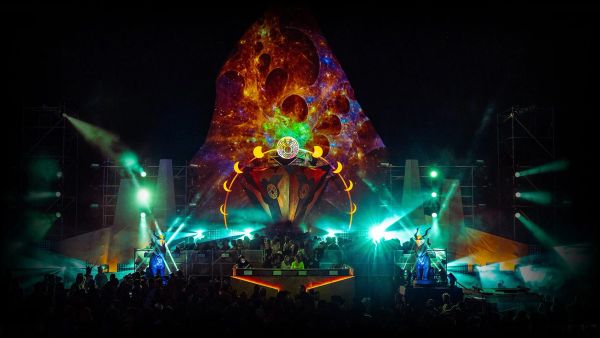
Echoes From Agartha
26 Jul – 31 Jul · Perili Ozanlar Vadisi (Valley of the Fairy Chimneys)
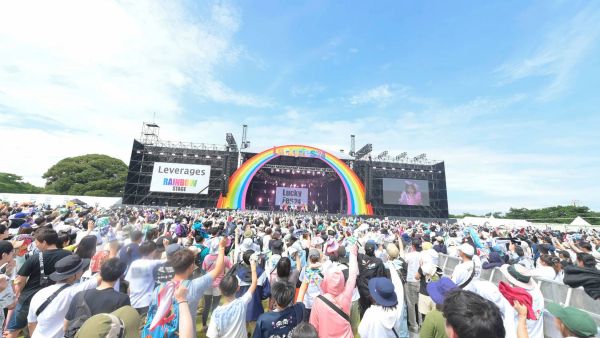

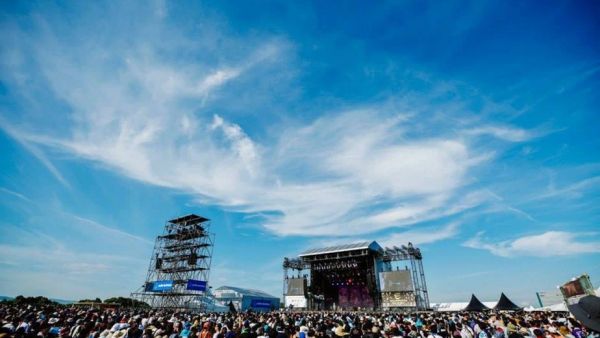


Istanbul International Psytrance Festival
21 Aug – 24 Aug · Sile - Agva Beach
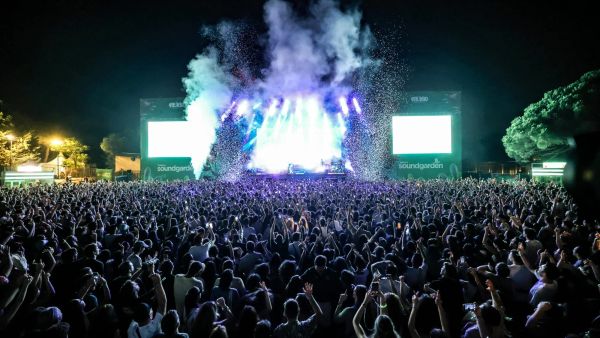


Cosquin en Japon (コスキン・エン・ハポン, Kosukin en Hapon)
10 Oct – 12 Oct · Kawamata Town Agriculture and Forestry Experience Interchange Center
808 Festival
4 Dec – 6 Dec · BITEC (Bangkok International Trade & Exhibition Centre)

Festivals by country in Asia
Explore by genre in Asia
Other regions

An independent music & festival researcher with 10+ years in the global dance scene.
3 April 2026
