Middle East
Festival Report 2026
The Middle East festival circuit undergoes significant transformation in 2026, with 7 major events spanning just two countries but delivering remarkable scale and diversity. Our comprehensive analysis reveals the United Arab Emirates firmly established as the regional powerhouse, hosting 6 of the 7 festivals tracked, whilst Saudi Arabia contributes one spectacular event. Pop music dominates the landscape with 6 festivals, whilst R&B, Chart Hits, and Afrobeat each claim 3 events, signalling a strong commercial focus with growing Afrocentric influences.
Sarah Pagel · 3 April 2026
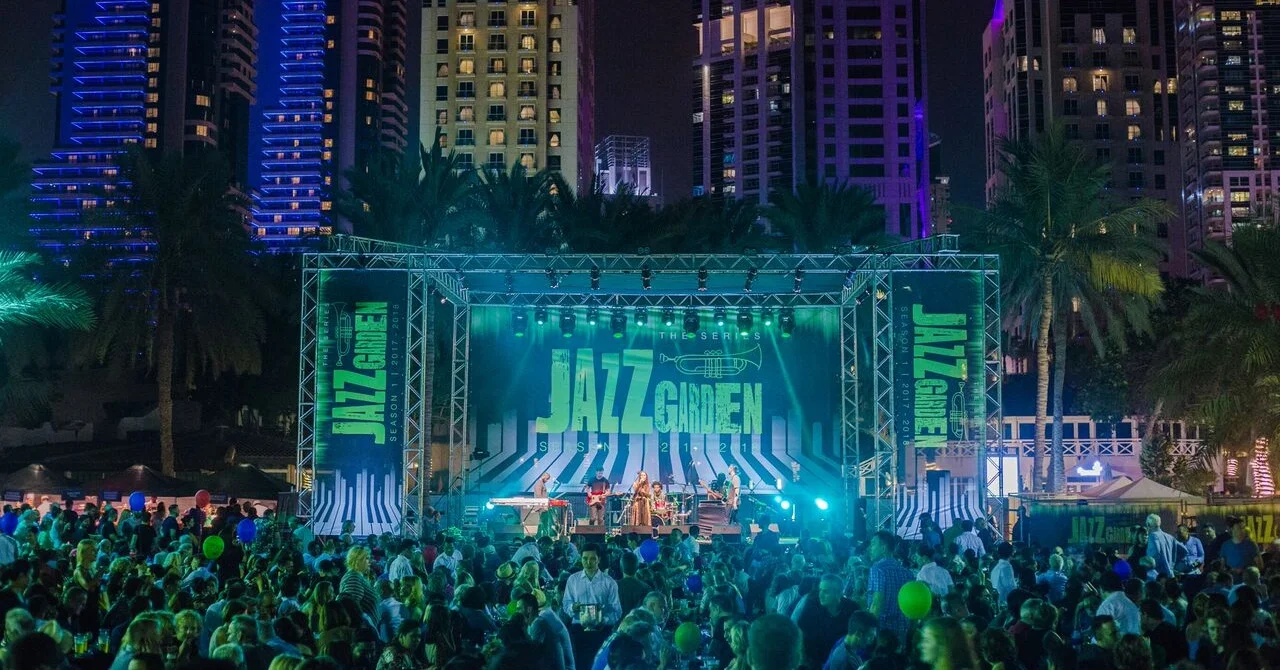
The season's crown jewel remains Soundstorm 2026 in Saudi Arabia's Binban, commanding a massive 150,000 capacity across three December days. Meanwhile, the UAE showcases remarkable venue diversity, from Dubai Media City Amphitheatre's intimate 15,000-capacity Dubai International Jazz Festival in February to the sprawling 10-day Daz Festival at Al Jahili Park, welcoming 70,000 attendees each April.
By the Numbers
Here's how Middle East's 2026 festival season breaks down across 2 countries – every figure drawn from our live database.
By Country
By Month
Top Genres
Two-Nation Powerhouse: UAE and Saudi Arabia's Festival Dominance
The Middle East's festival ecosystem in 2026 presents a fascinating study in concentrated excellence, with just two nations hosting all seven major events whilst delivering extraordinary diversity in scale and programming. The United Arab Emirates commands the landscape with 6 festivals, establishing itself as the region's undisputed festival capital through strategic venue utilisation and year-round programming. From the intimate 2,000-capacity Aweh! Fest showcasing Pop, Folk, and Afrobeat influences to the colossal 70,000-strong Daz Festival spanning 10 days at Al Jahili Park, the UAE demonstrates remarkable versatility. Dubai emerges as the primary hub, hosting multiple events including the sophisticated Dubai International Jazz Festival at Dubai Media City Amphitheatre and the cutting-edge RE!WIND Fest DXB at Expo City Dubai, each targeting distinct demographics with precision programming. Abu Dhabi contributes significantly through BRED Abu Dhabi 2026 at Yas Bay, a 5-day celebration of R&B, Rap, and Trap drawing 55,000 attendees, whilst the November spectacle of Untold Dubai returns to Expo City Dubai with 46,250 capacity across four days. Saudi Arabia's singular but spectacular contribution, Soundstorm 2026, commands attention through sheer scale—150,000 attendees across three December days in Binban, focusing on EDM, Pop, and Trance. This geographic concentration creates powerful festival corridors, enabling seasoned festival-goers to experience multiple events within relatively compact timeframes whilst benefiting from shared infrastructure and expertise.
Strategic Seasonality: April's Festival Surge and Year-Round Opportunities
The Middle East's 2026 festival calendar reveals sophisticated seasonal planning, with April emerging as the undisputed peak month hosting 3 of the 7 major events. This concentration capitalises on the region's optimal weather window, offering comfortable temperatures and minimal precipitation across both UAE and Saudi Arabian venues. April's triumvirate includes the marathon 10-day Daz Festival beginning 3rd April, the culturally-rich Aweh! Fest on 11th April, and the urban music celebration BRED Abu Dhabi from 22nd April. February provides strong alternative timing with 2 festivals, including the sophisticated Dubai International Jazz Festival and the nostalgic RE!WIND Fest DXB, both capitalising on cooler temperatures and reduced humidity. The calendar's strategic distribution continues with November's Untold Dubai and December's massive Soundstorm, creating year-end entertainment options when regional tourism peaks. Festival-goers should book accommodation 3-4 months in advance for April events, as this period coincides with regional school holidays and optimal weather conditions. February festivals offer excellent value, with lower accommodation costs and more favourable flight pricing compared to peak winter months. The November-December window provides unique opportunities for combining festival attendance with traditional holiday travel, though pricing premiums apply. Weather considerations remain paramount, with April and February offering the most comfortable outdoor conditions, whilst November and December events benefit from evening programming when temperatures moderate.
UAE's Festival Supremacy Versus Saudi Arabia's Spectacular Scale
The United Arab Emirates' dominance becomes unmistakable through both quantity and diversity, hosting 6 of the region's 7 major festivals whilst showcasing remarkable programming breadth. Dubai leads the charge with 4 events, establishing itself as the Middle East's festival capital through strategic venue utilisation and year-round programming. The emirate's crown jewel, Expo City Dubai, hosts both the electronic-focused Untold Dubai in November and the genre-spanning RE!WIND Fest DXB in February, demonstrating venue versatility and logistical excellence. Dubai Media City Amphitheatre provides intimate sophistication for the Dubai International Jazz Festival, whilst Al Jahili Park accommodates the massive 10-day Daz Festival experience. Abu Dhabi contributes substantially through BRED Abu Dhabi at Yas Bay, targeting urban music enthusiasts with its 55,000 capacity and 5-day format. The UAE's festival ecosystem benefits from world-class infrastructure, streamlined visa processes for international visitors, and established tourism frameworks supporting large-scale events. Saudi Arabia's contribution, whilst numerically singular, commands respect through sheer ambition and scale. Soundstorm 2026 in Binban represents the region's largest festival gathering, with 150,000 attendees across three December days, focusing on EDM, Pop, and Trance programming. The kingdom's Vision 2030 entertainment initiatives drive significant investment in festival infrastructure and international artist bookings. This creates an intriguing dynamic where the UAE offers diversity and accessibility, whilst Saudi Arabia delivers unparalleled scale and spectacle, together forming a compelling regional festival circuit that rivals established international destinations.
Pop Dominance and Urban Music's Rising Regional Influence
The Middle East's 2026 musical landscape reveals Pop's overwhelming dominance, appearing at 6 of the 7 festivals and establishing itself as the region's commercial backbone. This prevalence reflects sophisticated audience research and the genre's universal appeal across the region's diverse international demographics. R&B, Chart Hits, and Afrobeat each claim presence at 3 festivals, signalling growing appreciation for urban contemporary sounds and African diaspora influences. The Afrobeat representation particularly highlights the region's evolving cultural palette, with events like Aweh! Fest specifically programming Folk and Afrobeat alongside Pop. Rock maintains relevance with 2 festival appearances, whilst Soul, Rap, and Trap each appear at 2 events, demonstrating healthy diversity within urban music categories. Electronic music's presence through EDM and Trance programming at major events like Soundstorm 2026 and Untold Dubai reflects the region's established dance music culture. This genre distribution creates distinct festival personalities: Dubai International Jazz Festival blends Pop, R&B, and Funk for sophisticated audiences, whilst BRED Abu Dhabi targets urban music enthusiasts through R&B, Rap, and Trap focus. The absence of traditional regional genres from major international festivals suggests these events primarily serve expatriate and tourist demographics rather than local cultural programming. Genre programming reflects careful commercial calculation, with Pop's universal appeal anchoring most events whilst secondary genres create differentiation and niche market appeal.
Flagship Festivals: From Soundstorm's Scale to Dubai's Sophistication
Soundstorm 2026 stands as the region's undisputed flagship, commanding 150,000 attendees across three December days in Binban, making it one of the world's largest electronic music gatherings. The festival's EDM, Pop, and Trance programming attracts international headliners and creates a genuine cultural phenomenon within Saudi Arabia's rapidly evolving entertainment landscape. Daz Festival offers contrasting appeal through its remarkable 10-day format beginning 3rd April at Al Jahili Park, welcoming 70,000 attendees for an extended Pop and Chart Hits celebration that represents exceptional value for dedicated festival-goers. BRED Abu Dhabi 2026 at Yas Bay targets urban music enthusiasts with its focused R&B, Rap, and Trap programming across 5 days, drawing 55,000 attendees to one of the region's most prestigious entertainment districts. Untold Dubai provides November excitement through its 4-day EDM, Pop, and Rap showcase at Expo City Dubai, with 46,250 capacity creating intimate energy within world-class facilities. Dubai International Jazz Festival delivers sophisticated programming through Pop, R&B, and Funk at Dubai Media City Amphitheatre's elegant 15,000-capacity venue on 20th February. For cultural diversity seekers, Aweh! Fest on 11th April offers unique Pop, Folk, and Afrobeat programming for 2,000 attendees, whilst RE!WIND Fest DXB provides nostalgic Pop, R&B, and Rock celebration for 3,000 guests at Expo City Dubai on 7th February.
Gulf Aviation Hubs and Seamless Regional Festival Access
The Middle East's festival circuit benefits enormously from world-class aviation infrastructure, with Dubai International and Abu Dhabi International airports serving as global hubs with direct connections to over 150 destinations worldwide. Dubai's festivals enjoy particular accessibility advantages, with Dubai Metro's Red Line connecting directly to key venues and the city's extensive taxi network providing 24-hour transportation options. Festival-goers should budget AED 200-400 daily for accommodation during peak festival periods, with significant savings available through advance booking 3-4 months prior. Saudi Arabia's improved visa accessibility, including tourist visas and festival-specific entry programmes, has transformed Soundstorm into an genuinely international destination, with Riyadh serving as the primary gateway airport just 45 minutes from Binban venue. The region's dual currency system—AED in the UAE and SAR in Saudi Arabia—requires minimal planning, as both accept major international cards universally. Ground transportation between UAE festivals proves remarkably efficient, with Dubai-Abu Dhabi transfers requiring just 90 minutes via modern highways or express bus services. Festival packages increasingly include transportation elements, particularly for multi-day events like Daz Festival and BRED Abu Dhabi. Regional hotel booking windows have compressed significantly, with popular festivals selling out accommodation within 50 kilometres of venues 2-3 months in advance. Budget-conscious travellers should consider Sharjah or Ajman accommodation for Dubai festivals, whilst Abu Dhabi events benefit from the emirate's diverse hospitality options across various price points.
Middle East Festival Map
Every pin is a festival. Click one to see dates, genre, and how to get there.
Loading map...
Middle East Festivals 2026
Explore every event in the 2026 season, from opening weekend to the final closing party. See the full list →
Festivals by country in Middle East
Explore by genre in Middle East
Other regions
An independent music & festival researcher with 10+ years in the global dance scene.
3 April 2026
