Nordic Countries
Festival Report 2026
The Nordic festival circuit has emerged as Europe's most dynamic cultural landscape, with our 2026 data revealing 185 festivals across Norway, Sweden, Finland, Denmark, and Iceland. This represents a remarkable concentration of musical diversity in a region known for its stunning natural amphitheatres and midnight sun programming. From the intimate 200-capacity Ice Music Festival Norway in January to the sprawling 100,000-person Vinterjazz Copenhagen Jazz Festival, the Nordic countries offer an unparalleled range of festival experiences.
Sarah Pagel · 3 April 2026
Norway leads the pack with 63 festivals, whilst Denmark follows closely with 46 events, demonstrating these nations' commitment to year-round cultural programming despite challenging weather conditions. The region's festival calendar peaks dramatically in July with 64 events, capitalising on the brief but spectacular Nordic summer when daylight extends well into the evening hours.
By the Numbers
Here's how Nordic Countries's 2026 festival season breaks down across 5 countries – every figure drawn from our live database.
By Country
By Month
Top Genres
Nordic Festival Landscape: A Data Portrait of Musical Abundance
Our comprehensive analysis reveals a festival ecosystem that defies the region's reputation for harsh winters, with 185 documented events spanning every month of the year. Norway dominates the landscape with 63 festivals, leveraging its dramatic fjord scenery and robust cultural funding. Denmark contributes 46 festivals, concentrated around Copenhagen's established venue infrastructure, whilst Finland adds 39 events that blend traditional folk heritage with cutting-edge electronic music. Sweden, despite its strong musical export reputation, hosts 31 festivals, focusing on quality over quantity. Iceland rounds out the Nordic offering with 6 carefully curated events that maximise the island's unique acoustic environments. The average festival duration of 4.4 days reflects a regional preference for immersive experiences over quick weekend events. Notably, 33% of festivals offer camping options, essential given the remote locations of many venues. Only 1% of festivals are free, indicating a mature market where audiences expect—and pay for—professional production values. The currency landscape spans five different denominations (NOK, DKK, EUR, SEK, ISK), requiring careful budgeting for festival hoppers traversing multiple countries during peak season.
When to Experience Nordic Festival Magic: Timing Your Musical Journey
The Nordic festival calendar follows nature's rhythm, with July claiming 64 festivals—more than a third of the annual total. June follows with 45 events, whilst August hosts 35 festivals as organisers race against shortening daylight hours. This three-month window from June to August represents peak season, when nearly 78% of all Nordic festivals occur. The concentration makes practical sense: midnight sun conditions across much of the region create natural 20-hour performance windows, whilst temperatures hover in comfortable 15-25°C ranges. September drops dramatically to just 10 festivals, as organisers acknowledge tourists' reluctance to brave unpredictable weather. However, winter programming offers unique rewards. January's 5 festivals include the magical Ice Music Festival Norway, where instruments are literally carved from ice, and the month-long Vinterjazz Copenhagen festival that transforms the Danish capital into an indoor musical wonderland. Booking windows vary significantly by season—summer festivals require 6-12 months advance planning and command premium accommodation rates, whilst winter events often remain available weeks beforehand. Savvy festival-goers increasingly target shoulder seasons in May (7 festivals) and September for better value and more intimate experiences with comparable production quality.
National Variations: Each Nordic Country's Festival Identity
Norway's 63 festivals reflect the country's oil-funded cultural ambitions and spectacular venue possibilities. Events like Vossajazz capitalise on small-town charm, whilst Trondheim Calling brings urban edge to Norway's former capital. The country's festival density is remarkable given its 5.4 million population, averaging one festival per 85,000 residents. Denmark's 46 festivals benefit from Copenhagen's position as Scandinavia's cultural hub, with Vinterjazz's 30-day duration and 100,000 capacity demonstrating the capital's appetite for sustained programming. SPOT Festival represents Denmark's focus on emerging talent development, crucial for a nation that exports significant musical acts globally. Finland's 39 festivals balance the country's folk heritage with its surprising strength in metal and electronic music, whilst the experimental Borealis festival showcases Finland's classical music innovation. Sweden, despite producing global pop icons, hosts only 31 festivals, perhaps because its artists spend more time touring internationally than performing domestically. The Intonal Festival demonstrates Sweden's underground electronic scene strength. Iceland's 6 festivals, including the charmingly named 'Aldrei for eg sudur' (I never went south), maximise the island's 380,000 population, creating events that feel like national celebrations rather than commercial enterprises.
Musical DNA: Pop Dominance and Genre Diversity Across the Nordics
Pop music claims 109 festivals—59% of the total Nordic landscape—reflecting both mainstream audience demands and the region's significant contribution to global pop music. Rock follows with 91 festivals, demonstrating the enduring appeal of guitar-driven music across all age groups. Hip hop's presence at 78 festivals signals the genre's mainstream acceptance, particularly among younger Nordic audiences in urban centres like Oslo, Copenhagen, and Helsinki. Traditional folk music appears at 58 festivals, preserving cultural heritage whilst adapting to contemporary production values. The genre distribution reveals sophisticated programming strategies—many festivals blend pop accessibility with niche genres to maximise both ticket sales and cultural credibility. Rap appears at 52 festivals, often overlapping with hip hop programming but representing more aggressive, socially conscious content. Indie rock's 51 festival appearances reflect the Nordic countries' embrace of alternative music scenes, whilst punk's 42 festivals demonstrate the region's historical connection to counterculture movements. Metal rounds out the top genres with 39 festivals, concentrated heavily in Finland and Norway where the harsh climate seems to nurture darker musical expressions. Electronic genres appear throughout the data, from Culture Box's house and techno focus to Tam Tam Winter's psytrance programming.
Essential Nordic Experiences: Six Festivals That Define the Region
Vinterjazz Copenhagen Jazz Festival stands as the region's flagship event, transforming Denmark's capital into a month-long musical celebration with 100,000 attendees. Its January timing proves Nordic audiences embrace winter programming when production values match ambition. The Ice Music Festival Norway represents ultimate Nordic uniqueness—200 guests experience music performed on instruments carved from ice, creating sounds impossible anywhere else on earth. CPH:DOX Music demonstrates the region's festival innovation, combining documentary film with live music across 12 days and attracting 150,104 attendees to Kunsthal Charlottenborg. Inferno Metal Festival showcases Norway's metal scene credentials at Rockefeller Music Hall, offering 5,000 fans four days of intense programming each April. The Northern Lights Music Festival (Nordlysfestivalen) capitalises on natural phenomena, running 10 days when aurora activity peaks, accommodating 15,000 visitors seeking both musical and celestial entertainment. Iceland's Aldrei for eg sudur proves that festival success isn't about capacity—1,500 attendees create an intimate community experience impossible at larger events. These festivals represent different approaches to the same Nordic philosophy: use natural advantages, embrace seasonal realities, and create experiences unavailable elsewhere in Europe. Each offers compelling reasons to brave Nordic weather conditions.
Navigating Nordic Festival Territory: Practical Planning for Musical Pilgrims
Nordic festival attendance requires careful logistical planning across five currencies and varying transport infrastructure. Oslo, Copenhagen, Stockholm, and Helsinki offer major international airports with direct connections to European hubs, whilst Reykjavik serves as Iceland's sole entry point. Internal travel varies dramatically—Denmark's compact size allows festival hopping by train, whilst Norway's geography demands domestic flights for events like the Ice Music Festival. Accommodation costs peak during July's 64-festival concentration, with Copenhagen and Oslo hotel rates doubling standard prices. The 33% of festivals offering camping becomes essential for budget-conscious attendees, though Nordic weather demands quality gear regardless of season. Currency planning spans Norwegian kroner, Danish kroner, euros (Finland), Swedish kronor, and Icelandic kroner—each with different purchasing power levels. Credit card acceptance is universal, but cash remains useful for smaller vendor transactions. Ferry connections between Denmark, Sweden, and Norway offer scenic alternatives to flying, whilst Finland's eastern location often requires Helsinki as a hub. Booking lead times of 6-12 months for summer festivals reflect limited accommodation in smaller venues like Voss or Ísafjörður. Budget £150-300 daily for major cities during festival periods, though smaller events like Aldrei for eg sudur offer significantly better value whilst delivering authentic Nordic cultural experiences.
Nordic Countries Festival Map
Every pin is a festival. Click one to see dates, genre, and how to get there.
Loading map...
Nordic Countries Festivals 2026
Explore every event in the 2026 season, from opening weekend to the final closing party. See the full list →
-2026/image-1-1769406634977-vgv5vx3o.webp?width=600&height=338)
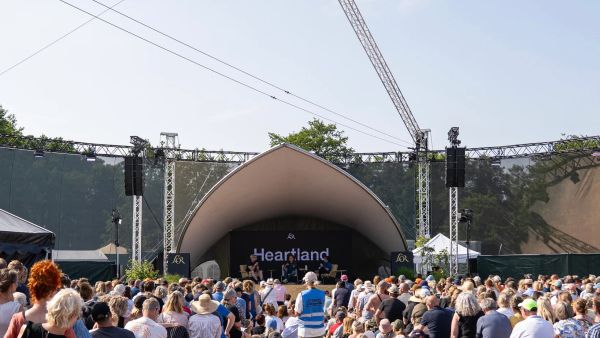
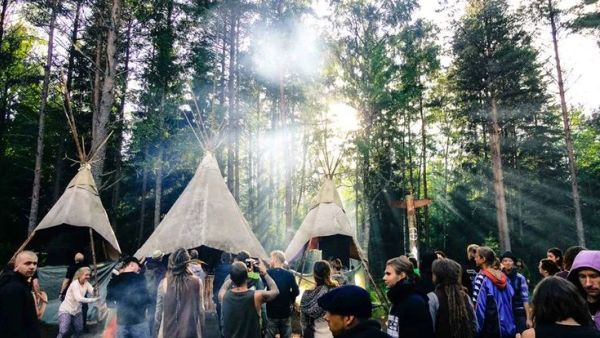
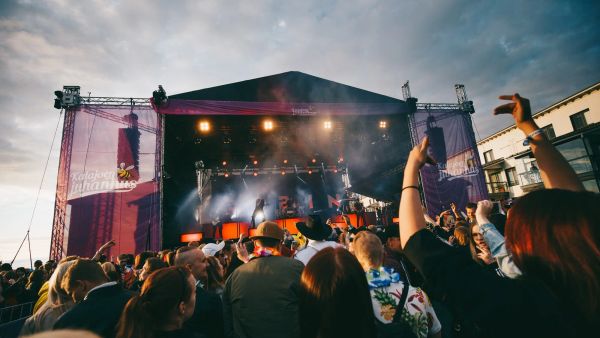
Festivals by country in Nordic Countries
Explore by genre in Nordic Countries
Other regions

An independent music & festival researcher with 10+ years in the global dance scene.
3 April 2026
