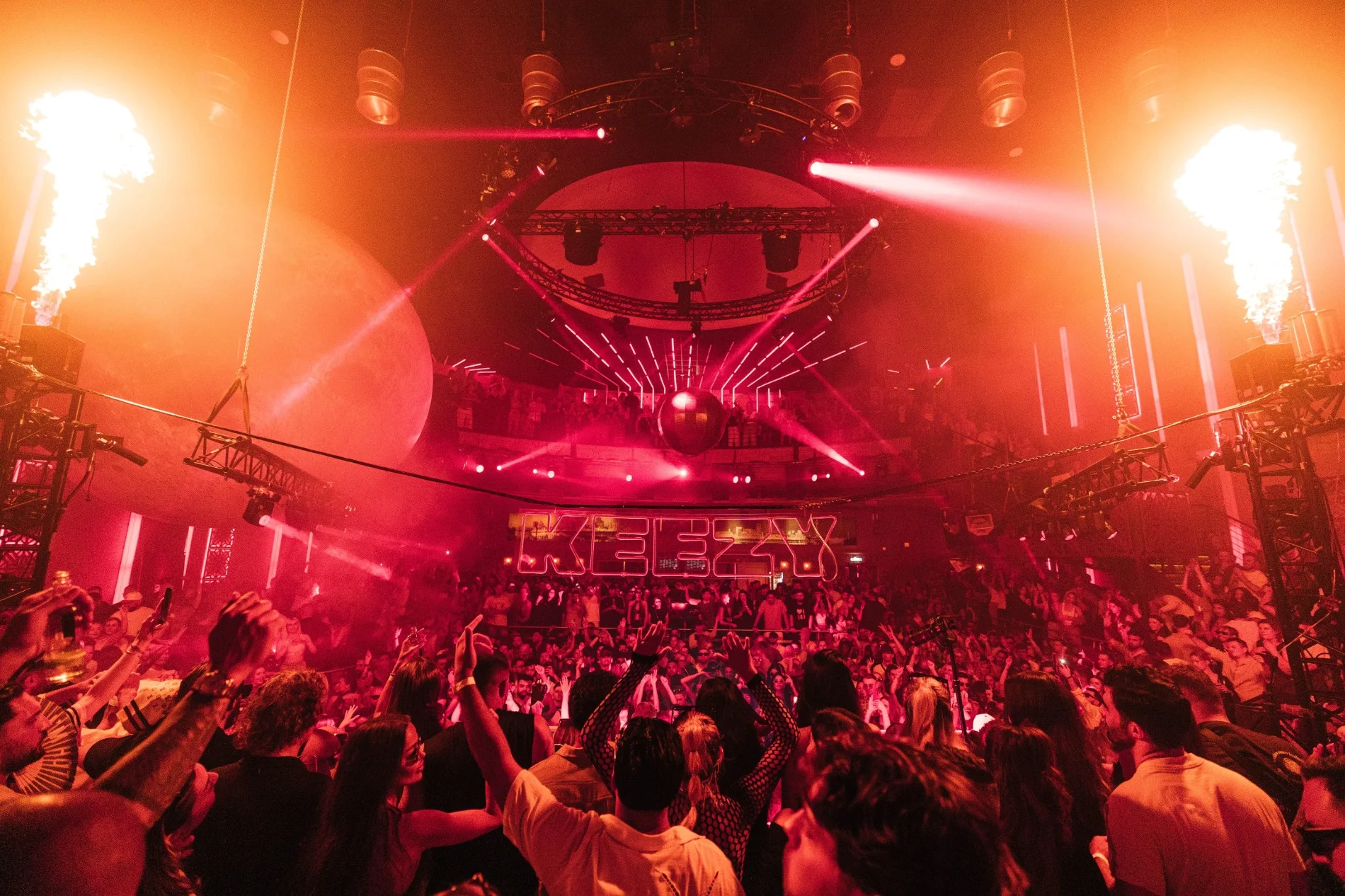
Western Europe
Festival Report 2026
Western Europe's festival landscape in 2026 presents an unprecedented density of musical events, with 945 festivals spanning ten countries from the United Kingdom to Switzerland. The region maintains its position as the global epicentre of festival culture, offering everything from intimate jazz gatherings to massive techno spectacles. The United Kingdom dominates the calendar with 304 festivals, whilst Germany contributes 184 events and the Netherlands adds 125 more. Techno emerges as the continent's defining sound, commanding 358 festivals compared to pop's 335 and rock's 318.
Curated by Sarah Pagel · Last verified 3 April 2026
Summer remains the undisputed peak season, with July alone hosting 246 festivals - over a quarter of the year's total events. Notable highlights include the massive La Folle Journée in Nantes (130,000 capacity), the culturally significant Celtic Connections in Glasgow (18 days), and intimate electronic experiences like Flow Experience Festival in Austria's alpine setting. This comprehensive analysis reveals the strategic importance of Western Europe's festival circuit for both artists and audiences.
By the Numbers
Here's how Western Europe's 2026 festival season breaks down across 10 countries — every figure drawn from our live database.
By Country
By Month
Top Genres
The Continental Festival Powerhouse: 945 Events Define Europe's Musical Identity
Western Europe's 2026 festival calendar represents the most concentrated collection of musical events globally, with 945 festivals distributed across ten nations. The region's festival density averages 94.5 events per country, though distribution varies dramatically. The United Kingdom leads decisively with 304 festivals, followed by Germany's 184 and the Netherlands' 125, creating a northern European festival corridor that attracts millions of international visitors annually. Electronic music dominates the landscape, with techno claiming 358 festivals, pop securing 335, and rock maintaining 318 events. This electronic emphasis reflects Europe's pioneering role in dance music culture, from Berlin's underground techno scene to Amsterdam's house music heritage. Camping remains integral to the festival experience, with 35% of events offering on-site accommodation, though only 2% provide free access. The average festival duration of 5.8 days indicates a trend toward extended experiences rather than single-day events. Currencies span EUR, GBP, and CHF, reflecting the region's economic diversity. Standout events like Eurosonic Noorderslag (4 days, 7,500 capacity) showcase emerging European talent, whilst established festivals like Celtic Connections (18 days) demonstrate the continent's commitment to cultural programming. This ecosystem supports both grassroots music development and major international touring acts.
Summer Surge: July's 246 Festivals Define European Festival Season
European festival season follows a pronounced summer concentration, with July commanding 246 festivals—over 26% of the annual total. August maintains momentum with 166 events, whilst June contributes 155 festivals, creating a three-month window that hosts 567 festivals or 60% of the year's programming. This concentration reflects Western Europe's temperate climate, where outdoor events benefit from extended daylight hours and stable weather conditions. September offers 56 festivals for those seeking smaller crowds and lower accommodation costs, whilst winter programming remains limited to 44 events total across January and February. Early booking proves essential during peak season, with popular festivals selling out 8-12 months in advance. Accommodation prices typically increase 200-300% in festival cities during major events. Weather patterns favour the summer concentration, with average temperatures reaching 20-25°C and reduced rainfall probability. Shoulder season festivals in May (130 events) and September offer compelling alternatives, featuring lower ticket prices and more intimate atmospheres. Notable winter programming includes CTM Festival in Berlin (January 23, 10 days) and the classical Theodore Gouvy International Festival. Festival-goers should anticipate premium pricing during July's peak period, when events like Kiesgrube Open Air run extended 143-day seasons. Strategic planning around shoulder months delivers significant cost savings whilst maintaining access to quality programming.
National Festival Powerhouses: UK's 304 Events Lead Continental Competition
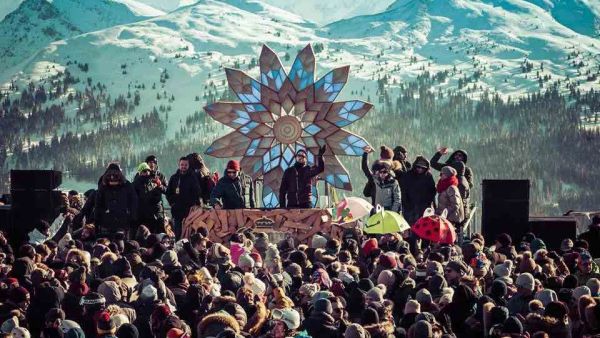
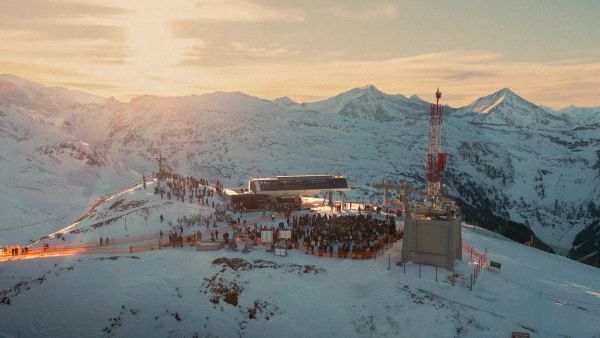
The United Kingdom establishes clear dominance with 304 festivals, representing 32% of Western Europe's total programming and reinforcing its position as the region's festival capital. This concentration spans from Scotland's Celtic Connections (18 days, Glasgow Royal Concert Hall) to intimate venues hosting emerging artists. Germany follows with 184 festivals, leveraging its central European location and strong electronic music heritage, exemplified by Berlin's CTM Festival (10 days, multiple venues). The Netherlands contributes 125 festivals, punching above its geographical weight through events like Eurosonic Noorderslag, which serves as Europe's premier showcase for emerging talent across four days in January. France's 117 festivals include spectacular events like La Folle Journée in Nantes, accommodating 130,000 attendees and demonstrating the country's commitment to classical programming alongside contemporary genres. Belgium's 77 festivals benefit from the country's central location and multilingual population, creating unique cross-cultural programming opportunities. Switzerland's 62 festivals leverage alpine settings for distinctive experiences, whilst Austria's 43 events include innovative concepts like Flow Experience Festival combining psytrance with mountain environments. Ireland's 25 festivals, though fewer numerically, maintain significant cultural impact through events like Big Burns Supper, showcasing the nation's folk heritage alongside contemporary sounds. This distribution creates natural touring circuits for international artists whilst offering audiences diverse cultural contexts for festival experiences.
Electronic Dominance: Techno's 358 Festivals Lead Genre Revolution
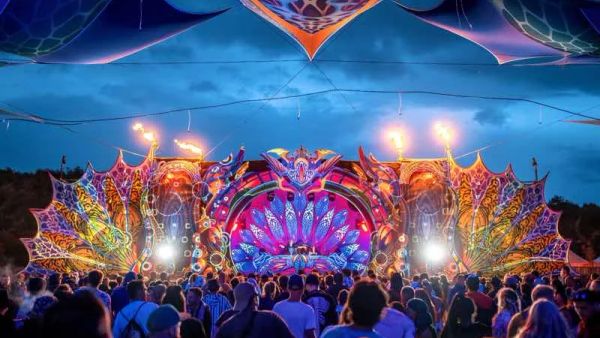
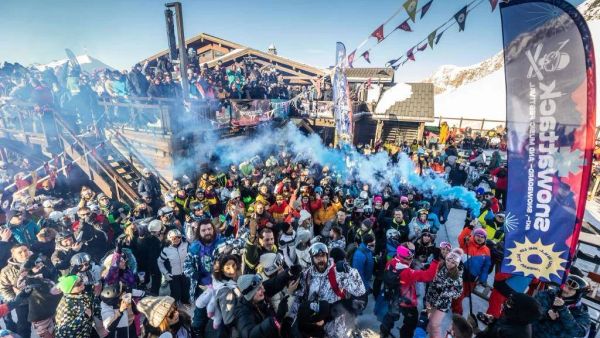
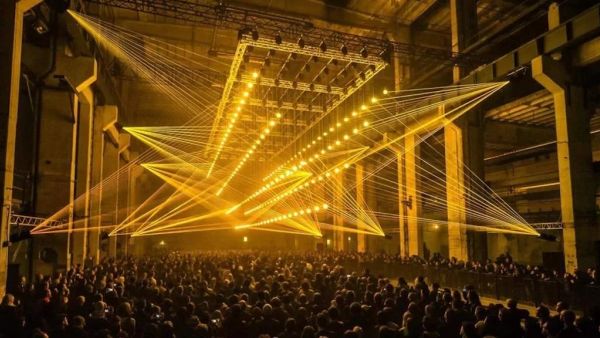
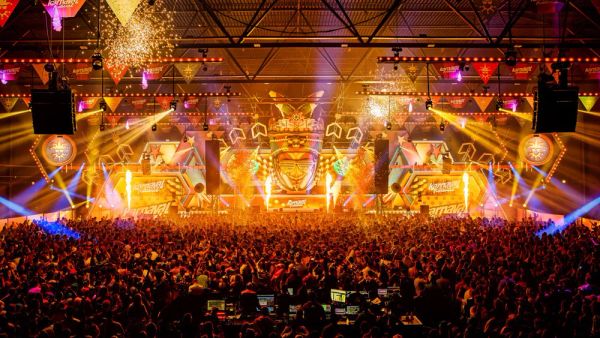
Electronic music genres command Western Europe's festival landscape, with techno leading at 358 festivals, closely followed by pop's 335 and rock's 318 events. This electronic dominance reflects Europe's historical role in developing dance music culture, from Detroit techno's European adoption to the continent's indigenous house music evolution. House music maintains strong representation with 248 festivals, whilst deep house contributes 185 events, creating a sophisticated electronic music ecosystem. Hip hop's 279 festivals demonstrate the genre's European growth, whilst indie rock's 239 events preserve alternative music traditions. Jazz maintains cultural significance with 190 festivals, including prestigious events like Celtic Connections' jazz programming. The techno concentration spans from intimate club settings to massive outdoor gatherings, with events like Kiesgrube Open Air running 143-day seasons and accommodating 4,166 attendees. Hardstyle finds specific regional strength, exemplified by Vroeger Was Alles Beter in the Netherlands (2 days, 15,000 capacity). Psytrance occupies niche but dedicated spaces, with Flow Experience Festival creating alpine electronic experiences. Genre diversity reflects Europe's multicultural audiences and established music infrastructure. Electronic festivals particularly benefit from extended programming, with events like Abode On The Snow running 8-day seasons combining skiing and clubbing. This genre distribution attracts international DJs and producers, whilst supporting extensive European electronic music scenes across multiple countries and subgenres.
Must-Attend Spectacles: From 130,000-Capacity Classical to Intimate Electronic
La Folle Journée commands attention as Western Europe's largest classical festival, accommodating 130,000 attendees at Nantes' Cité des congrès on January 28th, demonstrating classical music's continued mass appeal. Celtic Connections offers unparalleled cultural immersion across 18 days from January 15th at Glasgow Royal Concert Hall, combining folk, jazz, and rock programming for 5,556 attendees. Eurosonic Noorderslag serves as Europe's premier music conference and showcase, running four days from January 14th at De Oosterpoort, hosting 7,500 industry professionals and emerging artists. Electronic music enthusiasts should prioritise Kiesgrube Open Air, an extraordinary 143-day season beginning January 1st at Am Blankenwasser, accommodating 4,166 attendees for extended techno and deep house programming. Flow Experience Festival delivers unique alpine psytrance experiences from January 10th at Austria's Festivalgelände Wiesen, combining mountain settings with 8,000-capacity electronic programming and camping facilities. Vroeger Was Alles Beter represents hardstyle culture's peak expression, hosting 15,000 attendees across two days from January 3rd at Brabanthallen 's-Hertogenbosch. CTM Festival transforms Berlin's Radialsystem for ten days from January 23rd, accommodating 2,000 attendees for experimental pop, rap, and metal programming. These festivals represent diverse facets of European festival culture, from classical music preservation to electronic music innovation, offering experiences unavailable elsewhere globally whilst maintaining accessibility through varied capacity and pricing structures.
Festival Circuit Logistics: Navigating Europe's Musical Geography
Western Europe's festival circuit benefits from exceptional transport infrastructure, with major airports in London, Frankfurt, Amsterdam, and Paris providing direct access to festival regions. Budget airlines connect secondary cities affordably, whilst Europe's rail network enables overland festival hopping across multiple countries. Currency planning requires attention to EUR dominance across most nations, with GBP essential for UK festivals and CHF necessary for Swiss events like those in alpine regions. Accommodation costs vary dramatically, with camping festivals offering budget options at 35% of events, though premium lodging prices increase 200-300% during peak festival periods. Booking lead times of 8-12 months prove essential for popular events, whilst travel insurance becomes crucial given the extended festival season and outdoor event risks. The Schengen Area facilitates borderless travel between most countries, though UK festivals require separate entry considerations. Festival pass strategies reward multi-event attendance, with some promoters offering discounts for circuit participation. Ground transport varies from established public transport serving major festivals to shuttle services for remote locations. Rental car strategies suit camping festival circuits, though urban events favour public transport integration. Budget planning should anticipate €50-150 daily costs excluding accommodation, with premium events commanding higher prices. Early festival bookings often include payment plans, whilst last-minute availability remains limited during peak season. Strategic planning around shoulder months delivers significant savings whilst maintaining access to quality programming and reduced travel competition.
Western Europe Festival Map
Every pin is a festival. Click one to see dates, genre, and how to get there.
Loading map...
Western Europe Festivals 2026
Explore every event in the 2026 season, from opening weekend to the final closing party. See the full list →
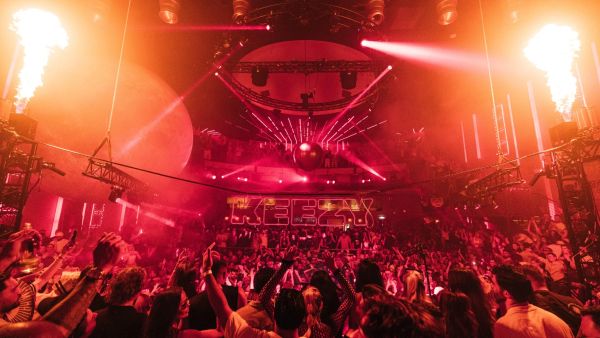
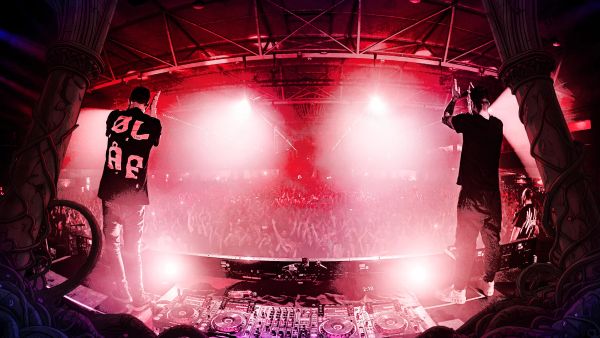
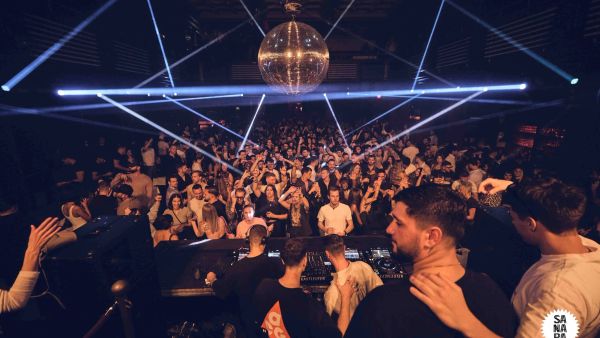

Festivals by country in Western Europe
Explore by genre in Western Europe
Other regions
An independent electronic music & festival researcher with 10+ years in the global dance scene.
Last verified 3 April 2026
